Caller ID Spam Monitoring & Remediation

Your number is the first thing a prospect judges

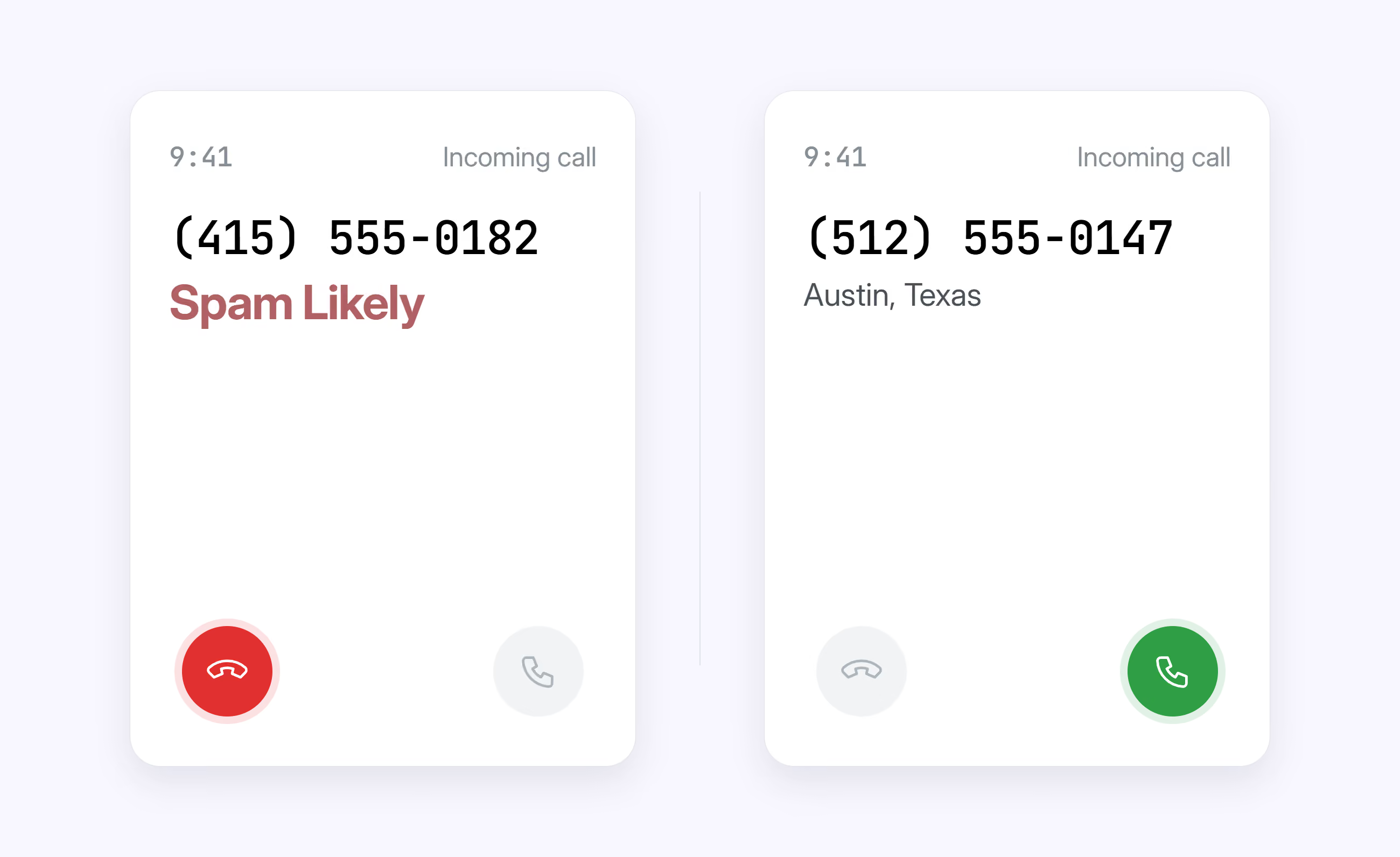
A number marked Spam Likely doesn't get answered, and once it's flagged the damage is done quietly. Ring.io watches the carrier reputation of every number it issues your team and retires the ones that get flagged - before your connect rate drops.
Nobody tells you when your number gets flagged

Carriers score every number that makes outbound calls. Dial enough, and yours gets labeled -no notification, no support ticket, no line in a report. Your reps make the same number of calls as last month, half as many people pick up, and it takes weeks of arguing about scripts and lists before anyone checks the number itself. By then you've lost a quarter of pipeline to a problem that had nothing to do with how your team was selling.

How Ring.io keeps your caller ID reputation clean

  • Every number Ring.io issues your team is watched: your direct Ring.io numbers and the whole RingLocal pool.
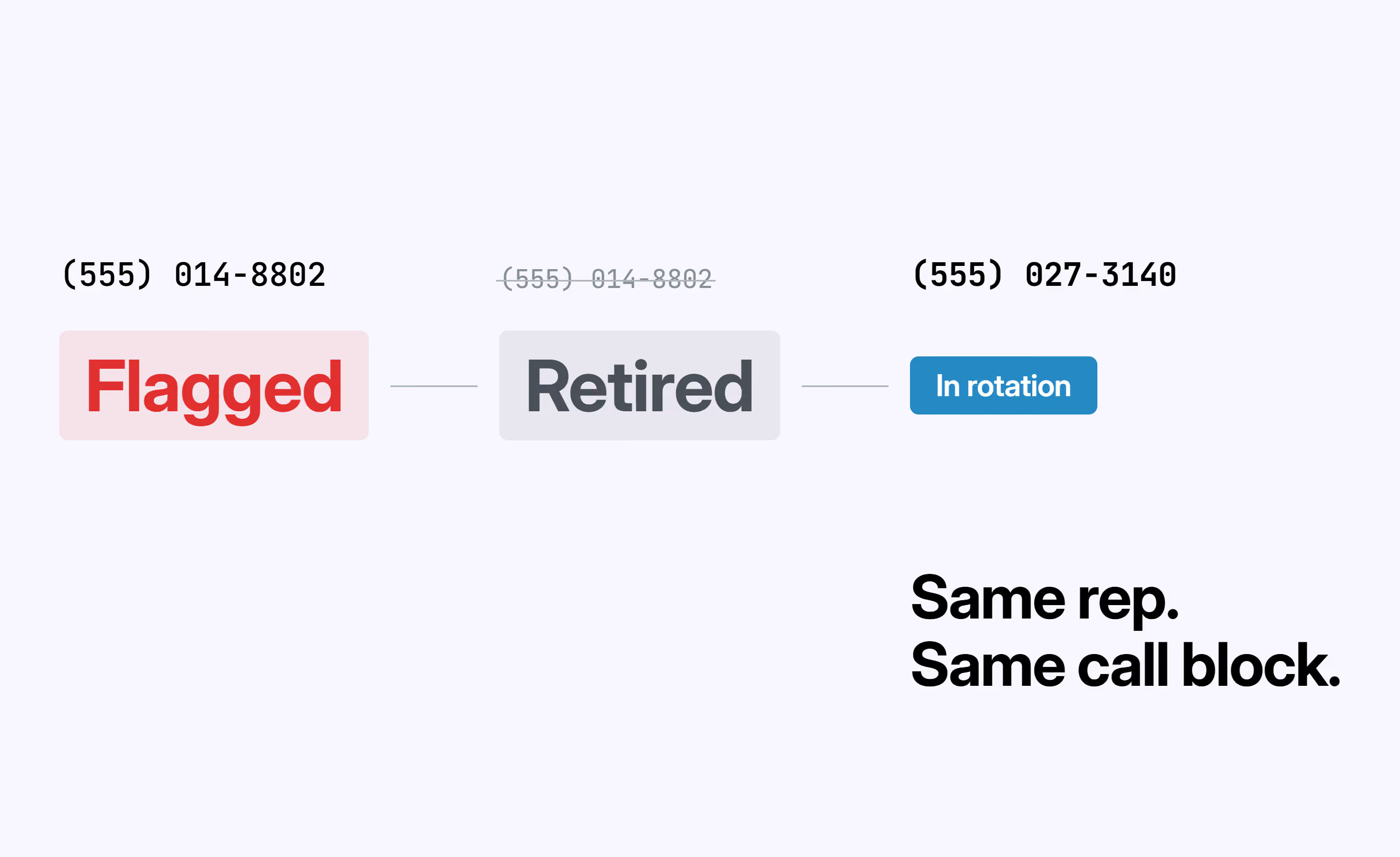
  • When a carrier flags one, that number is retired - pulled out of rotation rather than nursed along.
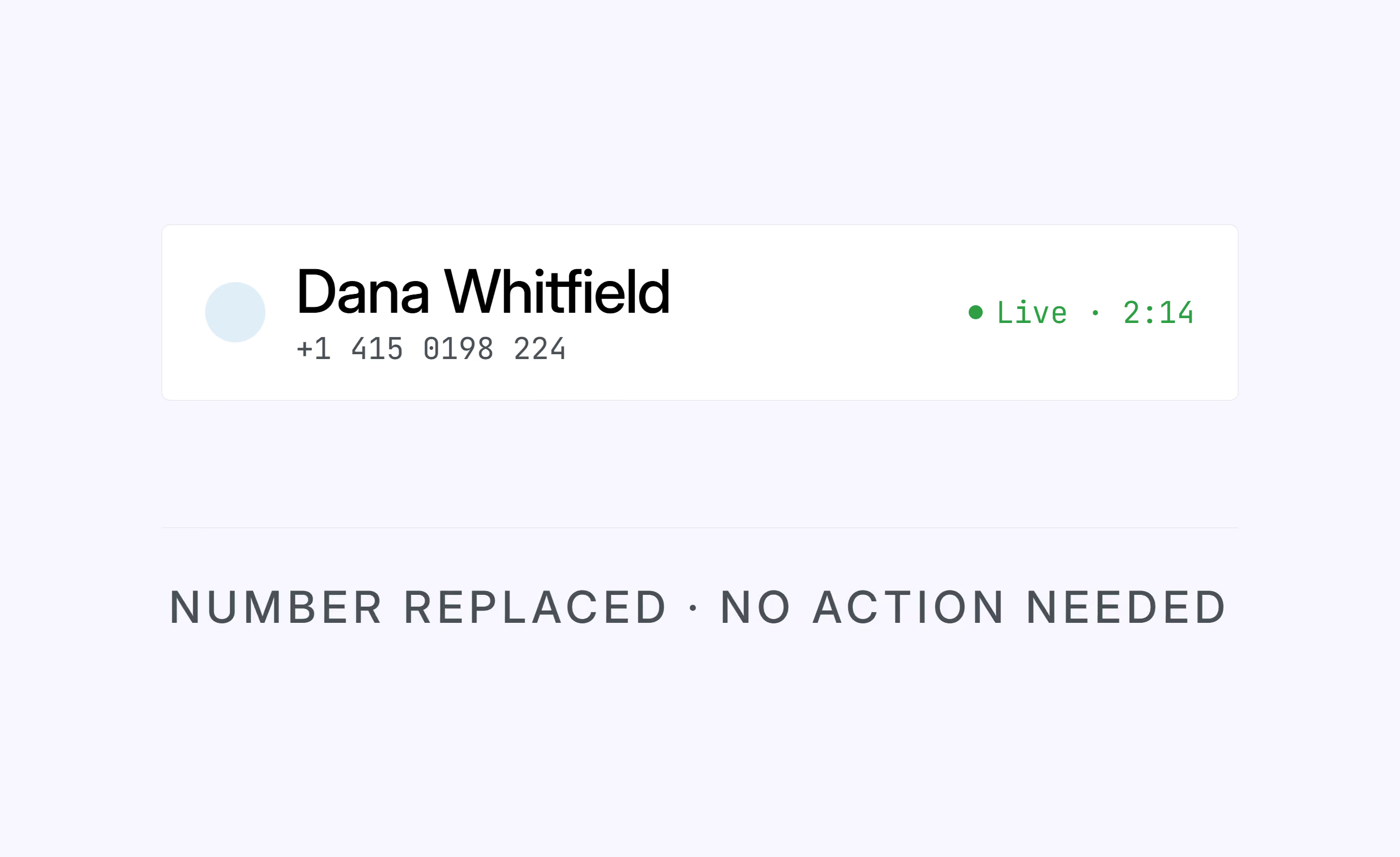
  • Your reps keep calling from a clean number. Nothing to switch, nothing to approve, no ticket to open.
  • Retired numbers go through remediation before they can ever come back.
  • It's on by default on Growth and Enterprise plans. There is no setting to find and no dashboard to check.
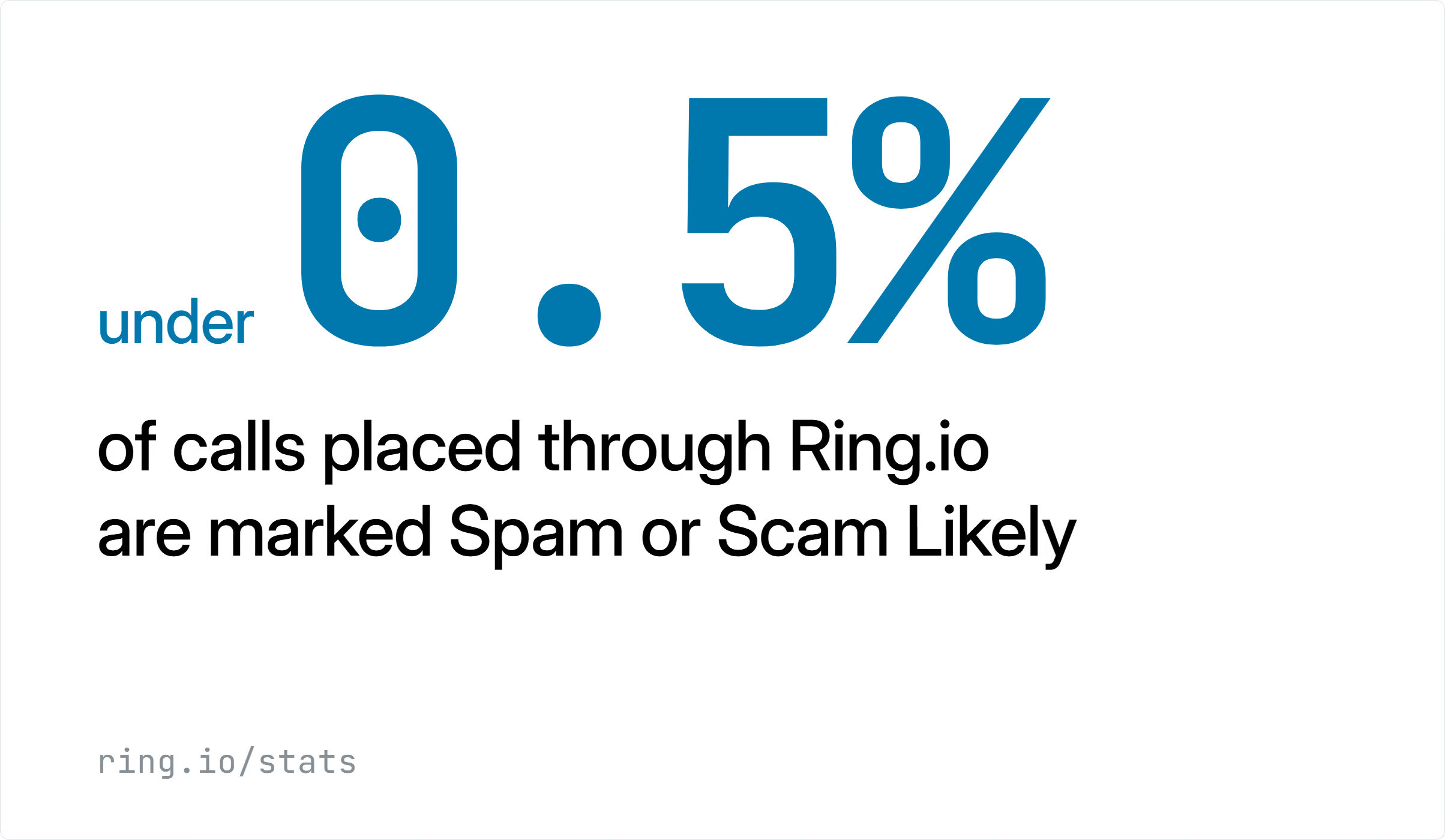
  • Across all calls placed through Ring.io, fewer than 0.5% are ever marked Spam or Scam Likely.

benefits

Monitored constantly. Retired the moment it's flagged.

Caller ID reputation is the one part of your connect rate your team can't see and shouldn't have to manage.

Every number you call from, not just the main one

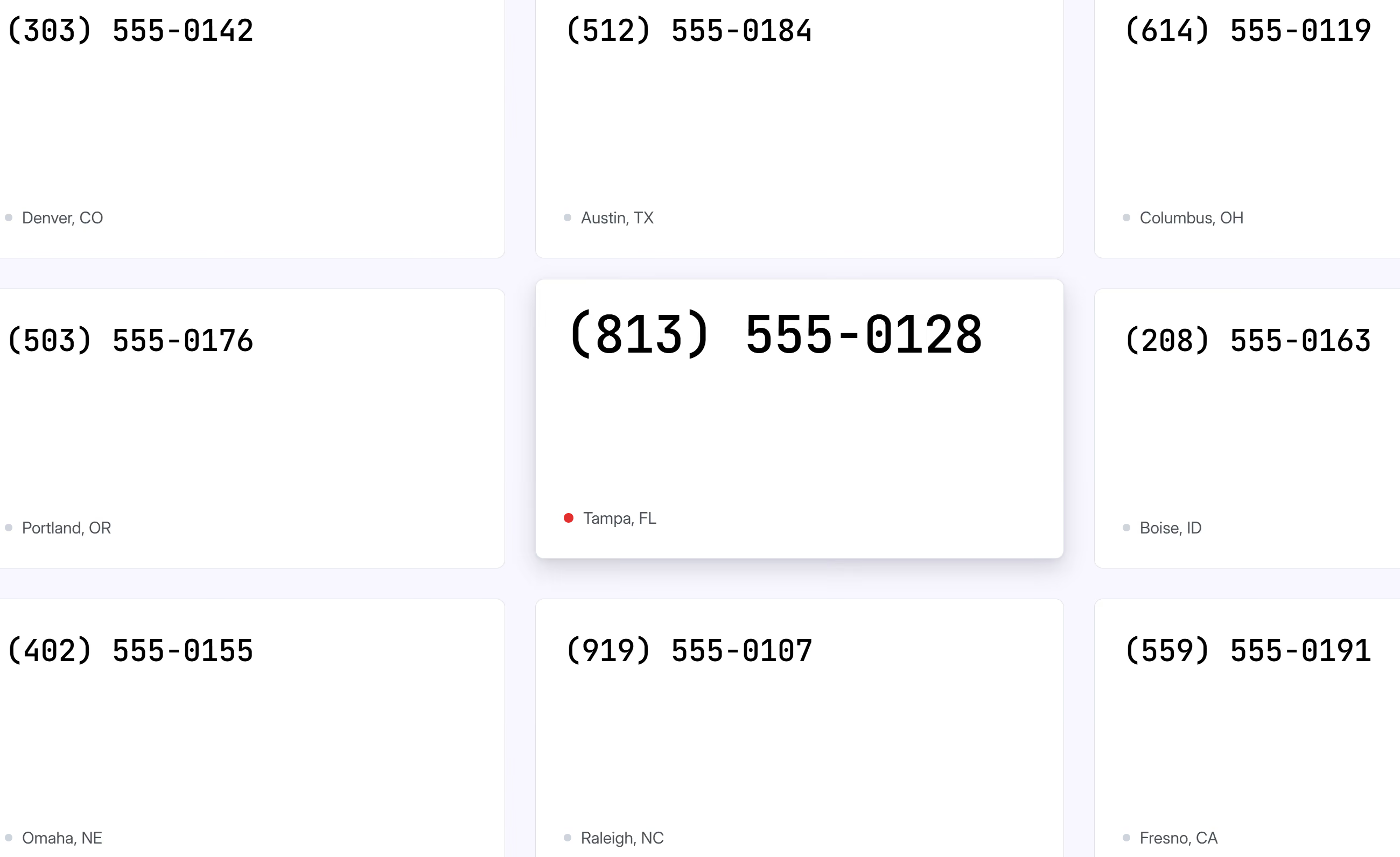
Reputation isn't a company-level score, it's per number - which means a team dialing from a local pool has dozens of small reputations to keep clean. Ring.io watches all of them: your direct numbers and every number in the RingLocal pool your reps dial from. The one that gets flagged is usually not the one you'd have thought to check.

Flagged numbers get retired, not defended

A labeled number is worth less than a new one. When a carrier flags a number, Ring.io pulls it out of rotation and your team carries on from a clean one. The retired number goes through remediation afterwards - on our side, on our time, with nobody waiting on it to make their next call.

Nobody has to notice

This isn't a report your admin has to read or an alert someone has to action. It's on by default, it runs whether or not anyone is thinking about caller ID that week, and the only visible sign that it worked is the thing that didn't happen: a quarter where connect rates simply held.

Under 0.5% of calls flagged

Fewer than 0.5% of the calls placed through Ring.io are ever marked Spam or Scam Likely. No provider can promise a number will never be labeled - carriers score calls on their own terms and don't explain themselves. What we can do is watch every number, retire the ones that get flagged fast, and keep the number that's ringing on a prospect's phone one they'll answer. See the live stats.

Reach people, not inboxes.

Calls, email and SMS as steps in one sequence, run from inside your CRM. Start free on one rep, or take 21 days free on a team plan.

FAQs

Caller ID Spam Monitoring & Remediation

What is caller ID reputation?

It's the score carriers and their analytics partners assign to a phone number based on how it behaves —-call volume, call duration, how often people decline or report it. A number with a poor reputation gets labeled on the recipient's screen as Spam Likely or Scam Likely, and most people don't answer a labeled call. Reputation attaches to the number, not to your company.

How would I know if one of my numbers had been flagged?

On your own, you mostly wouldn't. Carriers don't notify the owner of a labeled number, and there's no ticket or status page. The usual first symptom is a connect rate that falls without any other explanation. That's the specific problem this feature exists to remove.

Which of my numbers does Ring.io monitor?

The numbers Ring.io issued your team: your direct Ring.io numbers and the whole RingLocal pool. Numbers you own and brought with you are not part of this - we don't retire a number you publish on your website.

What happens when a number gets flagged?

It's retired from rotation and your reps keep calling from a clean number. The retired number goes through remediation afterwards. Your team does nothing and doesn't need to be told.

Do I have to set anything up?

No. It's on by default on Growth and Enterprise plans. There's no configuration, no registration step for you, and no dashboard to keep an eye on.

Can Ring.io guarantee my numbers are never flagged?

No, and neither can anyone else. Carriers score calls with their own models and don't publish their reasoning, so any vendor promising immunity is guessing. What's measurable is the outcome: fewer than 0.5% of calls placed through Ring.io are marked Spam or Scam Likely.

Does this stop numbers from getting flagged in the first place?

It's built for the part you can control - catching a label early and getting off that number. Spreading your calling across a local pool with RingLocal rather than hammering one number helps on the prevention side.

What's the difference between this and Bulletproof Caller ID?

This is the automated layer, included on Growth: continuous monitoring of Ring.io-issued numbers and automatic retirement of flagged ones. Bulletproof Caller ID is the Enterprise service on top of it - a managed human process working to an SLA for teams whose whole outbound motion depends on caller ID.

What does STIR/SHAKEN have to do with this?

STIR/SHAKEN is the framework carriers use to authenticate that a call is coming from who it says it is. It's the foundation, not the finish line: an authenticated call can still be labeled Spam Likely by an analytics engine, which is why monitoring and remediation exist as a separate job.

Where does the 0.5% figure come from?

It's measured across all calls placed through Ring.io - see ring.io/stats for the live numbers.

Which plan is it on?

Growth and Enterprise, with a 21-day free trial and no card required. See pricing.