2 Party Consent Calls Recording

Record calls without guessing the law in each state

Consent rules change at the state line. Ring.io adjusts your recording settings to the state you are calling: record both parties, record only your rep, or play a recording notice. The right setting applies automatically.
Your reps shouldn't have to know which state is which

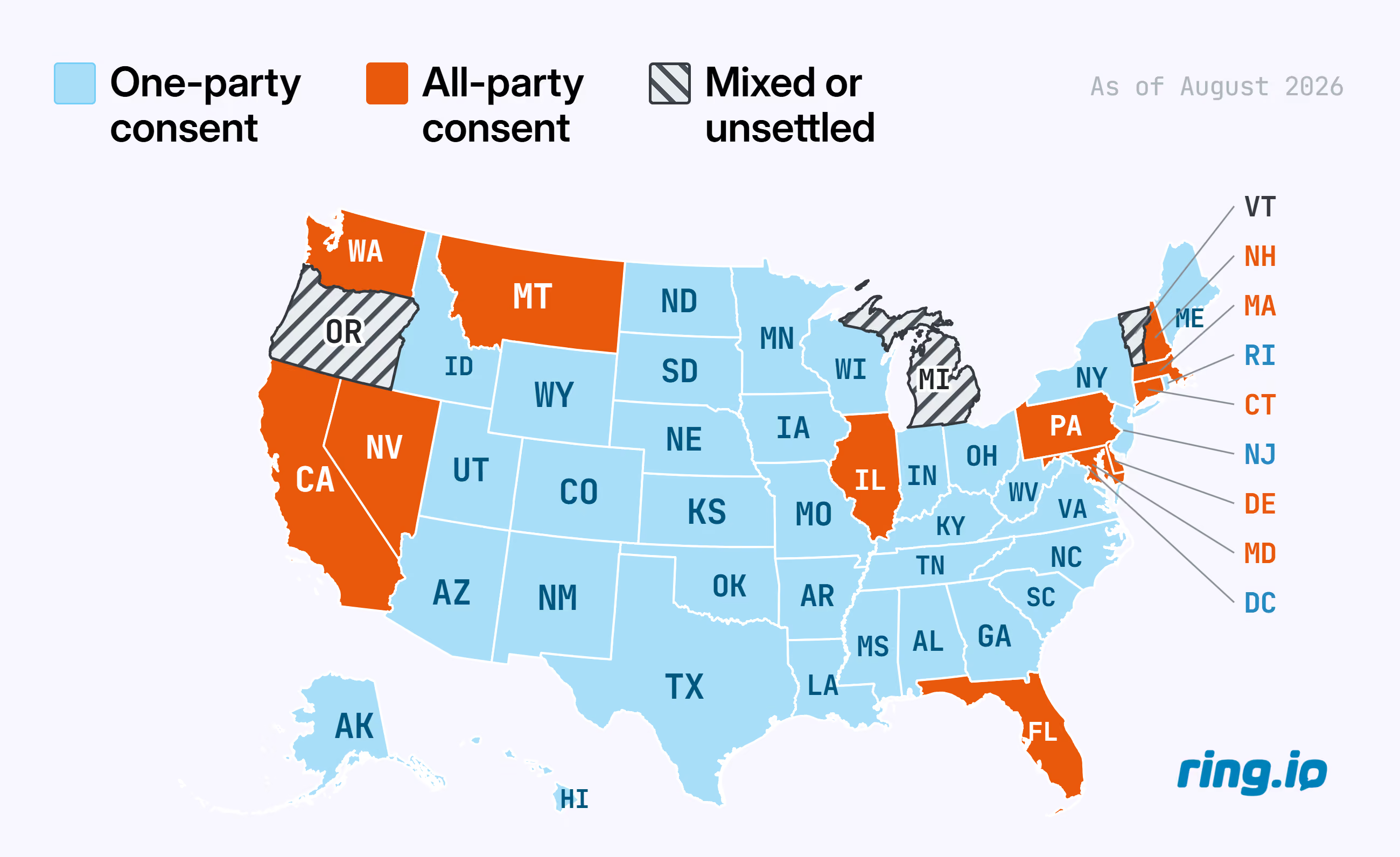
Thirteen-ish states want everyone on the call to agree. The list moves, nobody on your team has memorized it, and the cost of getting it wrong is not a support ticket. Ring.io holds one setting for your whole account and applies it per call: both channels where that's your policy, your rep's channel only where it isn't, and a recording notice before anyone speaks if you want one.

benefits

What you actually set up

Four controls, once, for the whole account.

The one option that does the thinking

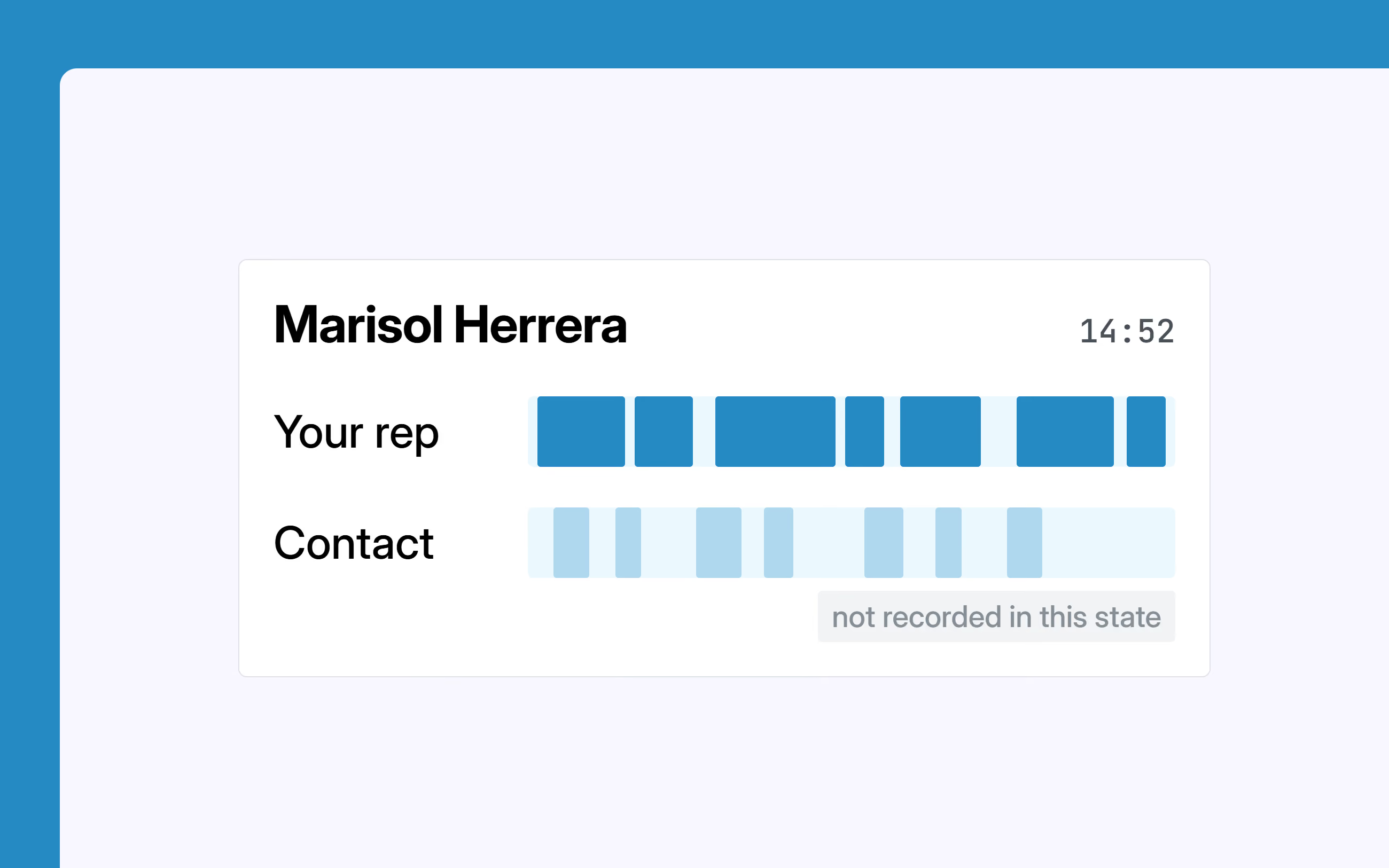
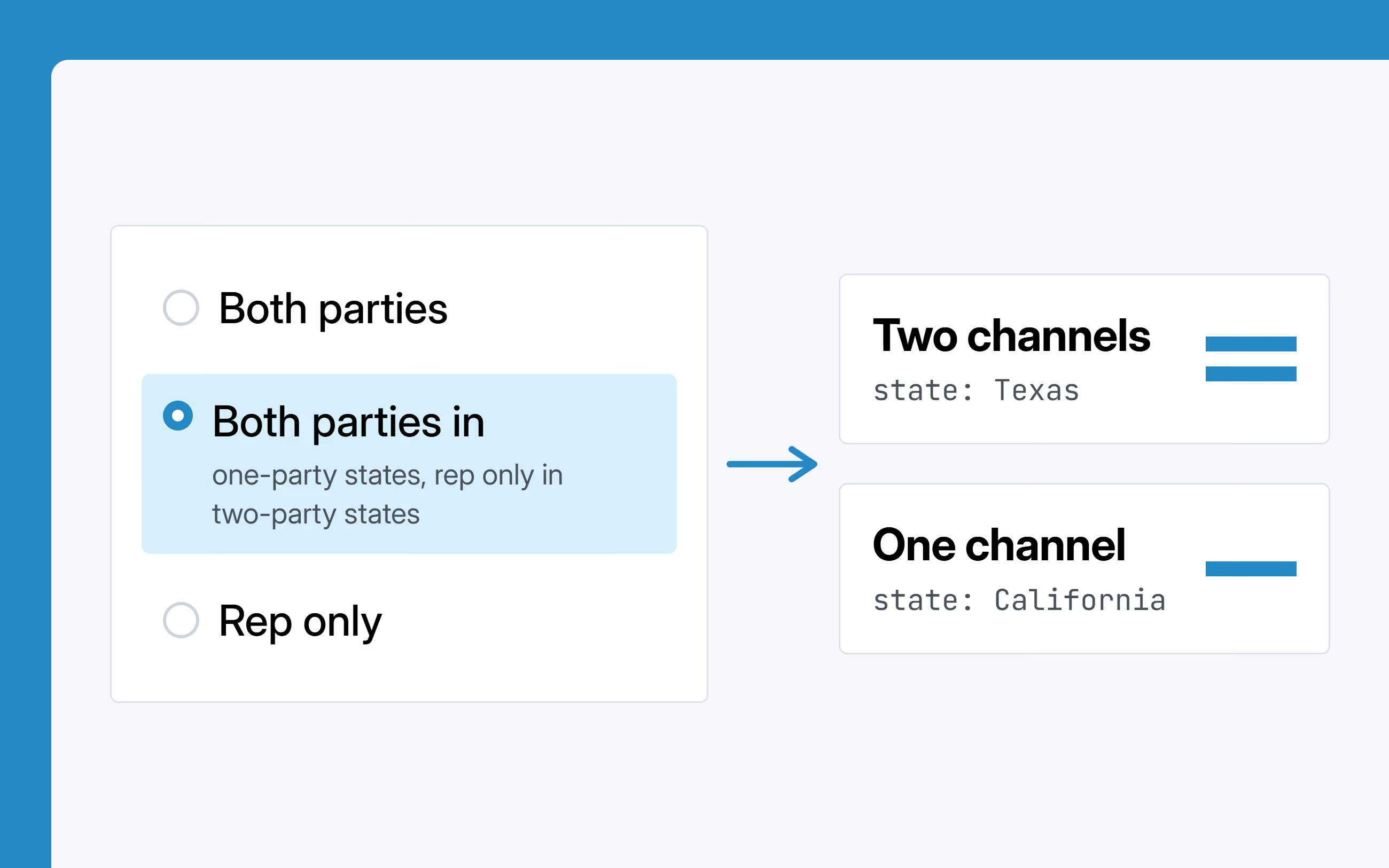
Three choices for what gets recorded: both parties everywhere, your rep only everywhere, or - the useful one - both parties in one-party states and your rep only in two-party states. Pick the third and the state you're dialling decides, call by call.

Why "rep only" is a real recording, not a muted one

This works because Ring.io records the rep and the contact on separate channels. Recording your rep's side only isn't a bleeped file - it's one clean channel, still searchable, still attached to the contact in your CRM alongside the rest of the call recording.

The notice plays before anyone says hello

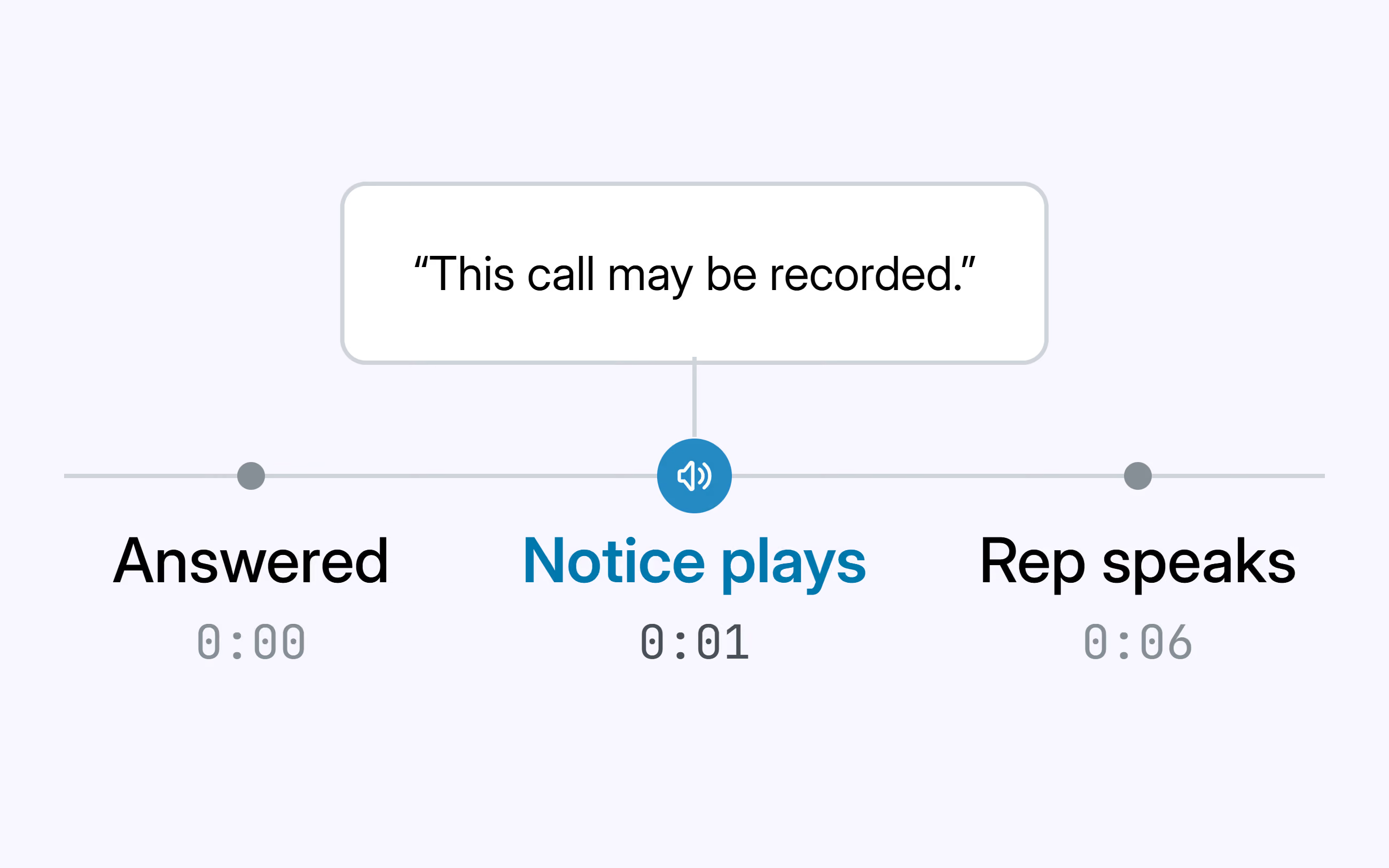
Ring.io can announce that the call is being recorded as it connects - no rep has to remember the wording. Or switch the announcement off and let your reps disclose it in their own words. Either way it's your call, set once, for everybody.

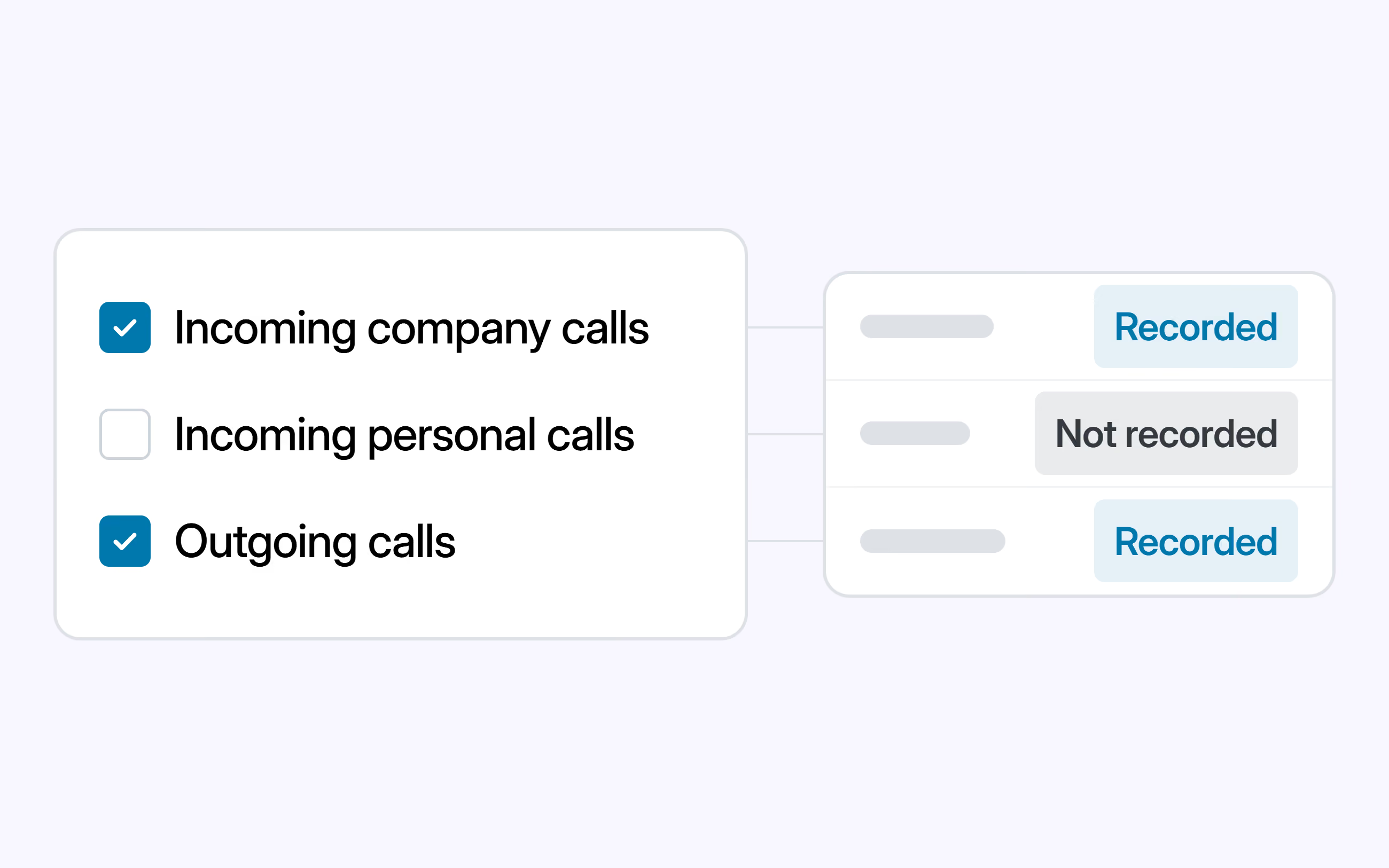
Not every call needs to be on the record

Three switches: incoming company calls, incoming personal calls, outgoing calls. Turn on what your policy covers and leave the rest alone. Reps get one behaviour, consistently, instead of a decision to make while the phone is ringing.

Reach people, not inboxes.

Calls, email and SMS as steps in one sequence, run from inside your CRM. Start free on one rep, or take 21 days free on a team plan.

FAQs

2 Party Consent Calls Recording

What's the difference between a one-party and a two-party consent state?

In a one-party consent state, one person on the call can agree to it being recorded - including your rep. In a two-party (or all-party) state, everyone on the call has to agree. The rules are state law, and a handful of states are ambiguous enough that people argue about them.

Do I have to tell someone I'm recording the call?

Not always - that's the point of the distinction. In a one-party state a participant can generally record without announcing it; in an all-party state you need everyone's agreement, and a spoken notice at the start is the usual way to get it. Many teams announce it everywhere anyway, as policy.

How do I know which state I'm calling?

Ring.io reads it from the number you're dialling and applies your setting for that state. Your rep sees no prompt and makes no decision.

Which states require all-party consent?

The commonly cited list runs to about a dozen, plus a few that courts have read both ways, and it changes. Rather than reprint it here, we keep it current in our guide to call recording laws by state.

What does "record only what my rep says" actually produce?

A normal audio file containing your rep's channel. Nothing is bleeped or cut; the contact's channel simply isn't captured.

Can I turn the recording notice off?

Yes. Automatic disclosure is a setting - leave it on and Ring.io plays the notice, or turn it off if your reps disclose it themselves. You're responsible for what your team says either way.

Is Ring.io giving me legal advice?

No. Ring.io applies the setting you choose, consistently. Whether that setting matches your obligations is a question for your own counsel, and we'd rather say so plainly than imply otherwise.